The Future of Work: How Businesses and Employees Are Evolving
Workplace change is happening at a faster rate than ever. Companies’ operations and the way people do their jobs are being reshaped by technology, globalization, and changing employee expectations. Employees and businesses alike need to have a solid understanding of these changes. Work from home and hybrid models The rise of remote work is one of the most important shifts. Cloud software, project management platforms, and communication tools have made it possible for teams to work efficiently from anywhere. Many companies are now adopting hybrid models, where employees split their time between home and the office. This approach offers flexibility, reduces commute time, and often increases productivity.
However, there are drawbacks to hybrid work. New approaches are required for team cohesion, culture, and collaboration. Businesses need to invest in technology, establish clear communication practices, and ensure employees remain connected to the company’s goals.
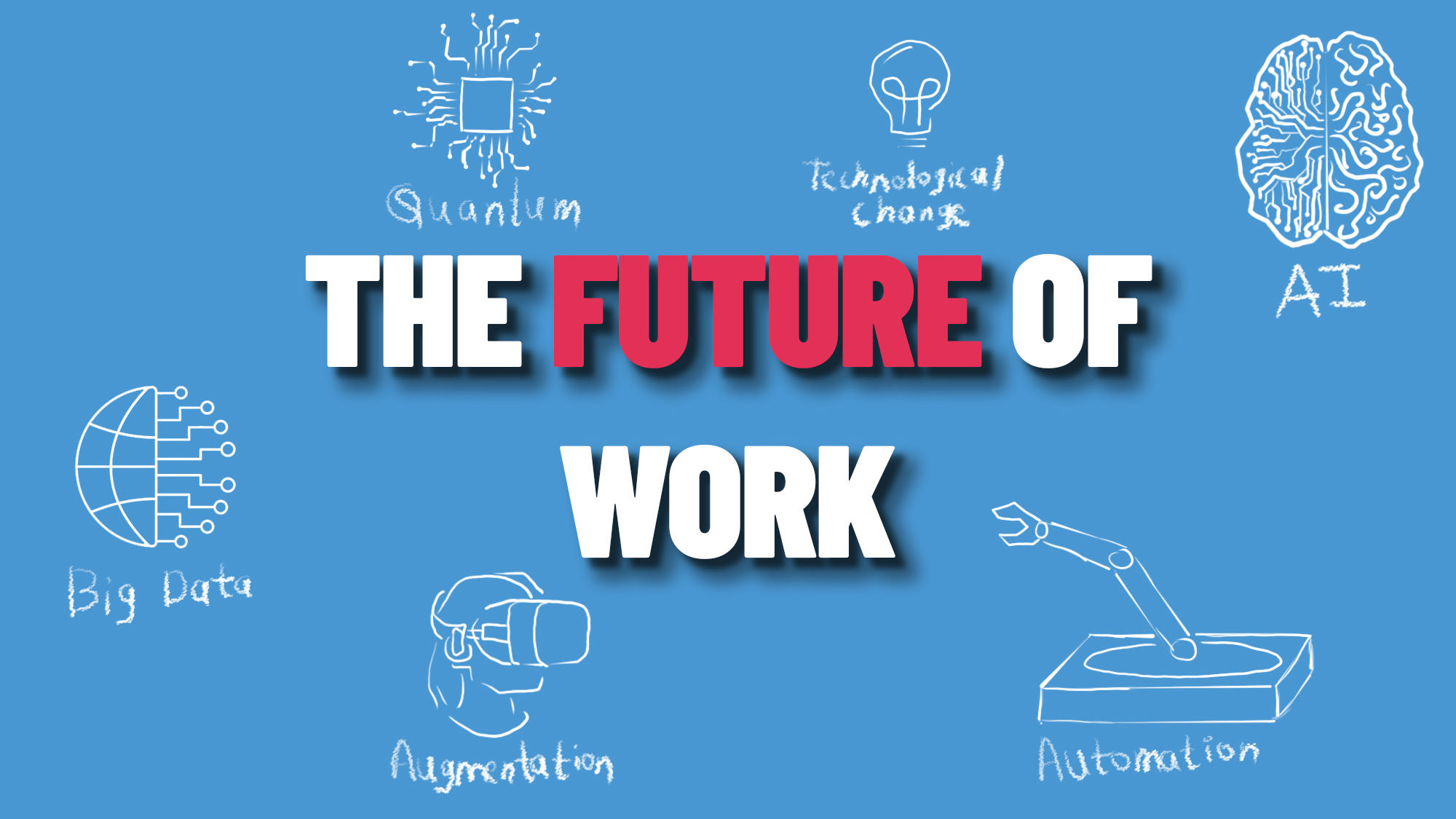
Artificial intelligence and robotics Everyday tasks are being transformed by AI and automation. Routine, repetitive work can now be handled by software, freeing employees to focus on higher-value activities like problem-solving and strategy. AI, for instance, is able to streamline supply chains, analyze data, and manage customer inquiries. While automation boosts productivity, it also alters the required skill sets. To remain competitive, employees must improve their critical thinking, creative, and digital literacy skills. Companies that provide upskilling opportunities will have a distinct advantage in retaining talent.
Changing Expectations from Employees Modern workers seek more than just salary. Flexibility, purpose, and growth opportunities have become key factors in job satisfaction. Younger generations, in particular, value work-life balance and meaningful work. Businesses that adapt to these expectations are better positioned to attract and retain talent.
Organizations are responding by offering wellness programs, flexible schedules, learning opportunities, and career development plans. Building a culture that emphasizes trust, collaboration, and innovation is no longer optional—it’s essential.
Gig Economy and Freelancing
The gig economy is still growing. Freelancers, contractors, and short-term project workers are increasingly contributing to business operations. This model allows companies to access specialized skills on demand while giving workers the flexibility to choose projects that match their expertise.
While gig work provides employees with independence and variety, it also necessitates strong self-management and networking abilities. When employing gig workers, businesses must concentrate on integrating them into teams and ensuring consistent quality standards. Lifelong Learning and Adaptability
After formal education, learning cannot stop because of the rapid pace of change. Continuous skill development is becoming a requirement rather than a choice. Online courses, workshops, certifications, and mentorship programs help employees stay relevant in a shifting job market.
Fostering a culture of learning enhances adaptability and innovation for businesses. Organizations that encourage knowledge sharing and cross-functional training are better equipped to respond to new technologies, market shifts, and customer needs.
Getting Ready for the Future The future of work will continue to evolve, driven by technology, demographics, and societal expectations. Companies that invest in technology, employee development, and workplace culture will thrive. Employees who embrace flexibility, develop new skills, and adapt to change will remain competitive.
Ultimately, the future of work is not just about tools and technology—it’s about people, processes, and the ability to navigate change. Organizations and employees who anticipate these shifts and prepare proactively will be well-positioned for success in the years ahead.
2025-12-20